China
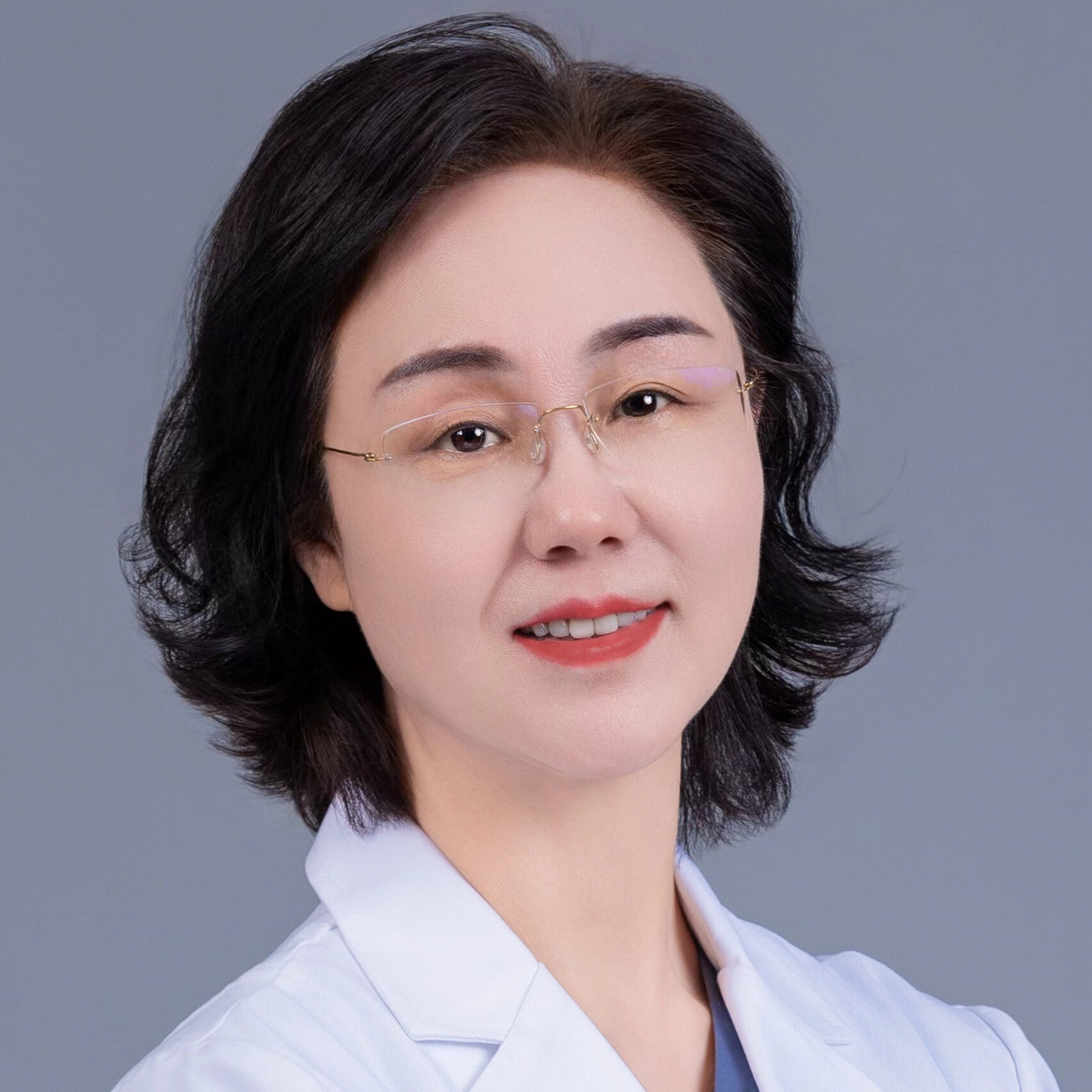
Hong He
Speaker Biography
- Professor, chief physician, PhD supervisor.
- Director of the Orthodontic Teaching and Research Department, and Chair of the first Department of Orthodontics, the School of Stomatology, Wuhan University.
- President-elect of Chinese Orthodontics Society.
- Standing Committee Member of the Sleep Medicine Specialized Committee of the Chinese Physicians Association (CPA).
- Fellow of the International Dental College (FIDC)
- Membership in Orthodontics of the Royal College of Surgeons of Edinburgh (MOrth RCS) and Examination Committee Member
- Honorary Professor at the School of Dentistry of the University of Hong Kong
- Member of the Editorial Board of Seminars in Orthodontics.
- Published more than 100 SCI papers as first author or corresponding author.
Lecture Details
Cementoblasts are pivotal for cementum formation and root integrity, yet their molecular regulation under inflammatory and orthodontic stress remains incompletely understood. This study synthesizes evidence on key signaling pathways and molecular regulators influencing cementoblast differentiation and mineralization. Inflammatory cytokines, such as TNF-α and IL-1β, suppress cementoblast mineralization and differentiation by activating pathways including p53, Stat3, MAPKs, and NF-κB, while inducing apoptosis, autophagy, and matrix degradation (e.g., via MMP-9 and MMP-13). Conversely, positive regulators like irisin enhance differentiation through p38 MAPK activation, and non-coding RNAs, including circLRP6 and circHIPK3 promote mineralization. The FTO/RUNX2 axis emerges as critical for normal and inflammation-impaired cementogenesis, with FTO depletion exacerbating inflammatory responses. Notably, TGF-β signaling upregulates osteoprotegerin (OPG) via Smads and AP-1, inhibiting osteoclastogenesis and protecting against root resorption. Orthodontic applications reveal that growth hormone (GH) administration reduces root resorption by modulating RANKL/OPG and IGF-I, while localized TGF-β1 delivery mitigates orthodontically induced inflammatory root resorption (OIRR). These findings elucidate a complex molecular network that orchestrates cementoblast functions, offering therapeutic insights for preserving root integrity during orthodontic treatment, particularly in inflammation-prone scenarios.
Learning Objectives:
1) Identify key molecular mechanismsgoverning cementoblast differentiation, mineralization, and apoptosis under inflammatory conditions (e.g., TNF-α, IL-1β) and their roles in orthodontic root integrity.
2) Evaluate emerging regulators(non-coding RNAs, FTO/RUNX2 axis, TGF-β/Smads/AP-1) that orchestrate cementogenesis and their dual roles in physiological and inflammatory environments.
3) Assess translational strategiestargeting molecular pathways (e.g., growth hormone, circRNA axes, TGF-β) to mitigate orthodontically induced root resorption (OIRR) and optimize treatment outcomes.
Presentation
Molecular Orchestration of Cementoblast Differentiation and Mineralization: Implications for Orthodontic Root Integrity
Molecular Orchestration of Cementoblast Differentiation and Mineralization: Implications for Orthodontic Root Integrity
Other Speakers
David Rice
Finland
David Rice is Head of the Department of Dentistry and Professor/Head of Orthodontics at the...
Aman Ulhaq
United Kingdom
Lecture Details
This presentation examines the emerging role...
Daniele Cantarella
Italy
Dr. Daniele Cantarella is an international speaker in the field of Orthodontics. He received the...

Kevin O’Brien
UK
Kevin O’Brien Emeritus Professor of Orthodontics at the University of Manchester UK.
Kevin was appointed...
Bart Vande Vannet
Belgium
Prof. Bart Vande Vannet is Professor of Dento-Facial Orthopaedics at the Université de Lorraine, Nancy,...
Liselotte Paulsson
Sweden
Associate Professor Liselotte Paulsson (Björnsson) is Chair and Director of the Postgraduate Program in Orthodontics...
Nearchos Panayi
Cyprus
Nearchos C. Panayi, is an orthodontist based in Limassol, Cyprus. He is an assistant Professor...
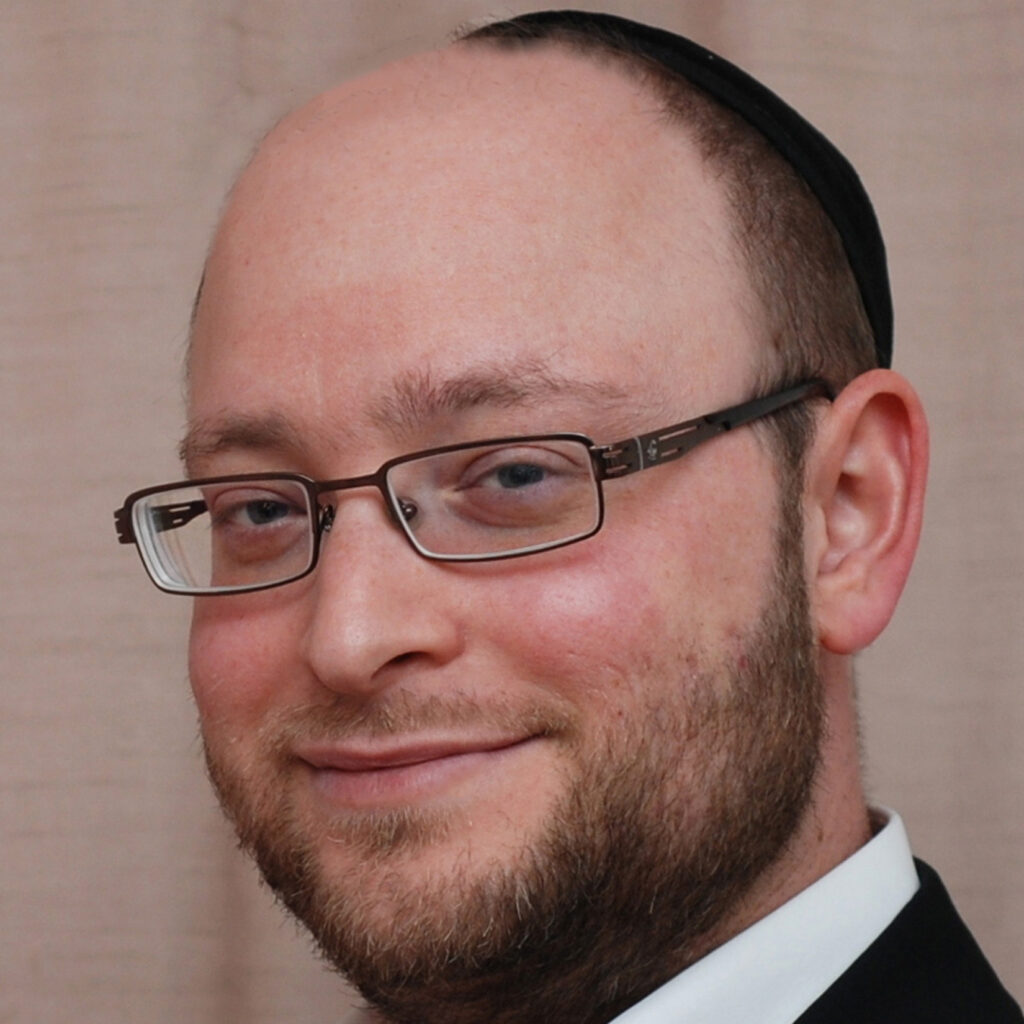
Raphael Patcas
Switzerland
Prof. Raphael Patcas is a Swiss board-certified orthodontist who has been jointly responsible for the...
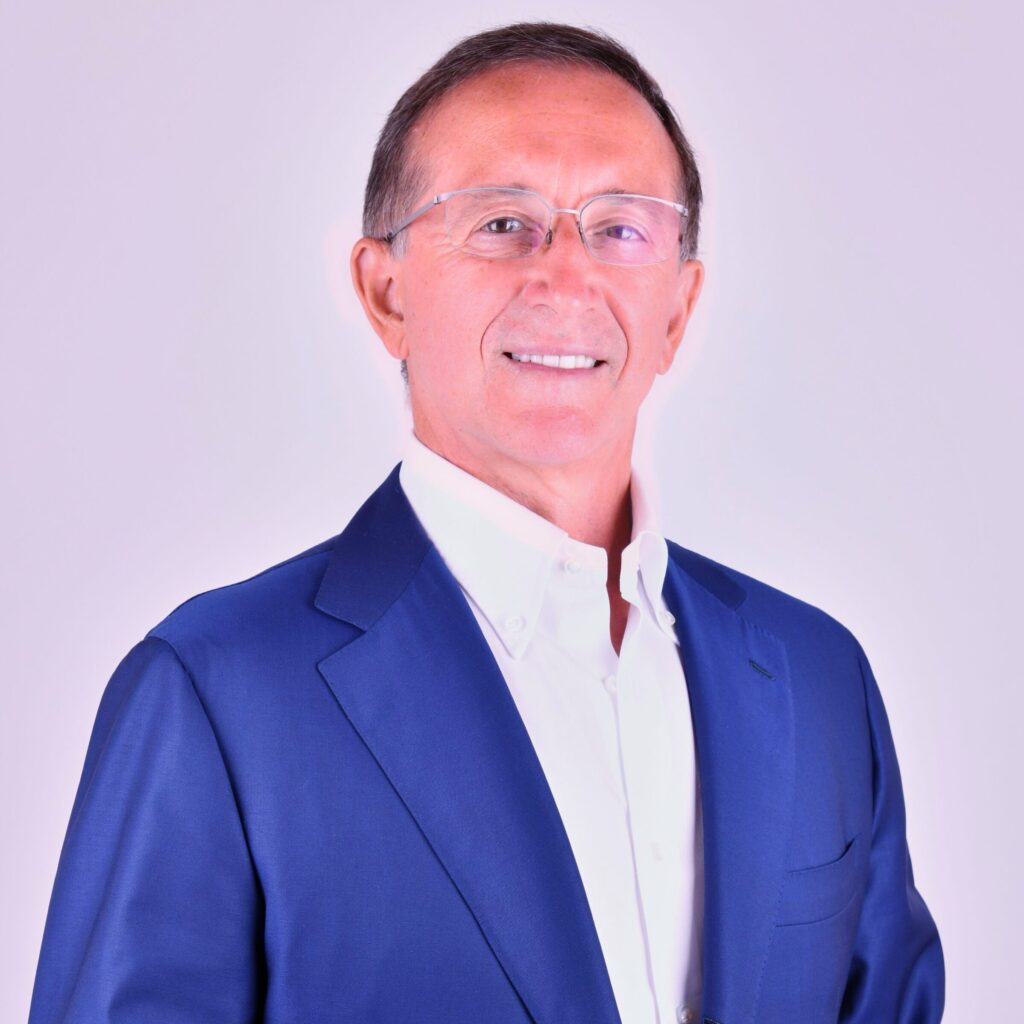
Renato Cocconi
Italy
Dr. Renato Cocconi, DDS, MS obtained his postgraduate degree in orthodontics with full marks and...
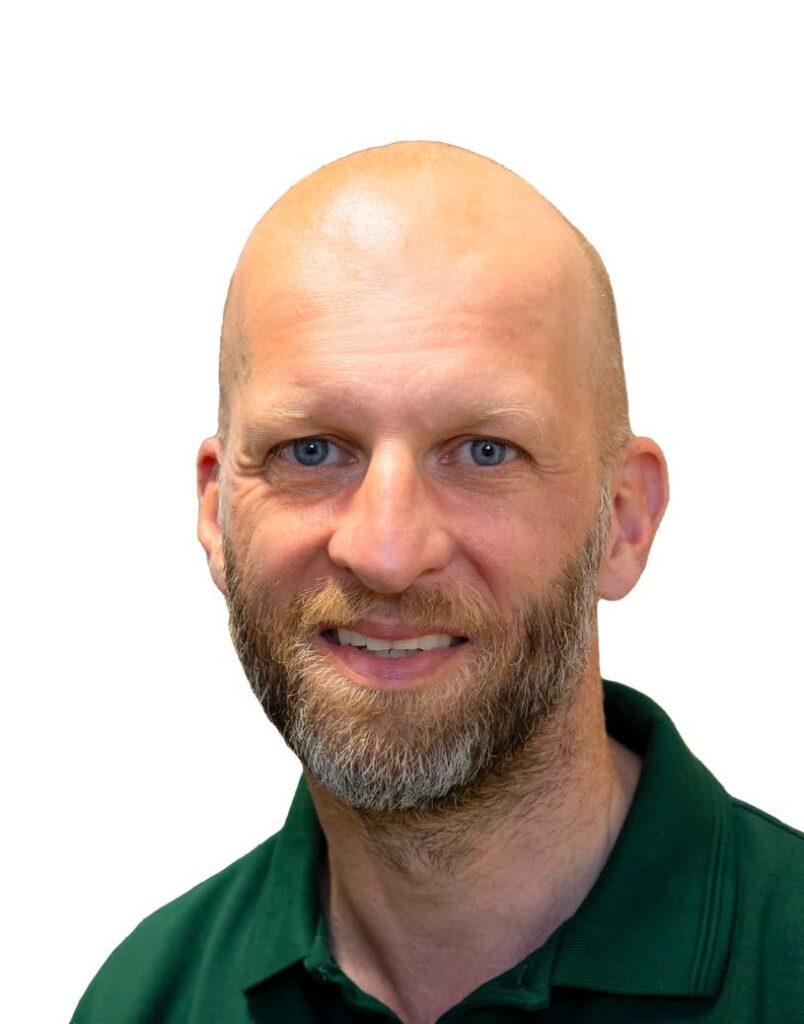
Bjorn Ludwig
Germany
Björn Ludwig is an orthodontics specialist who operates his private office in a small village...