United Kingdom
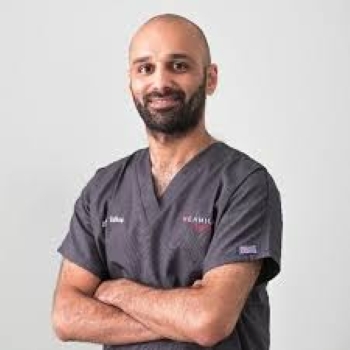
Aman Ulhaq
Speaker Biography
Dr Aman Ulhaq is a Consultant Orthodontist at York Hospital and has held consultant roles since 2016. His clinical expertise lies in the management of complex multidisciplinary orthodontic cases, with particular interests in orthognathic treatment, hypodontia, and the management of impacted teeth.
Dr Ulhaq graduated with honours in Dentistry (BDS Hons) from University College Cork in 2004 before undertaking specialist orthodontic training and completing an MSc in Orthodontics at King’s College London in 2014. He subsequently achieved Membership in Orthodontics from the Royal College of Surgeons of Edinburgh in 2014 and Fellowship in Orthodontics in 2016.
Alongside his clinical work, Dr Ulhaq has a strong commitment to education and professional development. He has been extensively involved in the teaching and supervision of postgraduate orthodontic trainees and contributes to research supervision within the specialty. He also serves as an Examiner for the Royal College of Surgeons of Edinburgh, supporting postgraduate assessment and standards in orthodontic education.
Dr Ulhaq is actively involved in professional leadership and currently serves as Honorary Treasurer of the European Orthodontic Society. His academic, clinical, and leadership experience continues to support the advancement of contemporary orthodontic practice and education.
Lecture Details
This presentation examines the emerging role of Artificial Intelligence (AI) in contemporary orthodontic practice. AI tools can automate the analysis of routinely collected data such as radiographs, clinical photographs and digital intra-oral scans. Integration of AI tools into daily practice can support clinical diagnosis, treatment planning, and the production of more efficient workflows.
In addition, AI-supported remote monitoring will be explored to see how early detection of treatment deviations, appliance issues, and oral hygiene problems can facilitate timely interventions and potentially improve patient compliance. Remote monitoring can also enable adaptive ‘in-house’ aligner production, customised appliance design and tighter feedback loops between planning and execution. Clinical experiences will be shared as well as the current evidence base in this area.
Overall, the presentation positions AI not as a replacement for clinical judgement, but as an enabling infrastructure that can reshape how orthodontic care is designed and delivered.
Learning Objectives:
1) To be aware of the AI tools available for orthodontic care.
2) To understand the possible ways AI can be implemented for contemporary orthodontics.
3) To be aware of the current evidence around AI in orthodontic care.
Presentation
The Impact of Artificial Intelligence on the Orthodontic Treatment Journey
The Impact of Artificial Intelligence on the Orthodontic Treatment Journey
Other Speakers
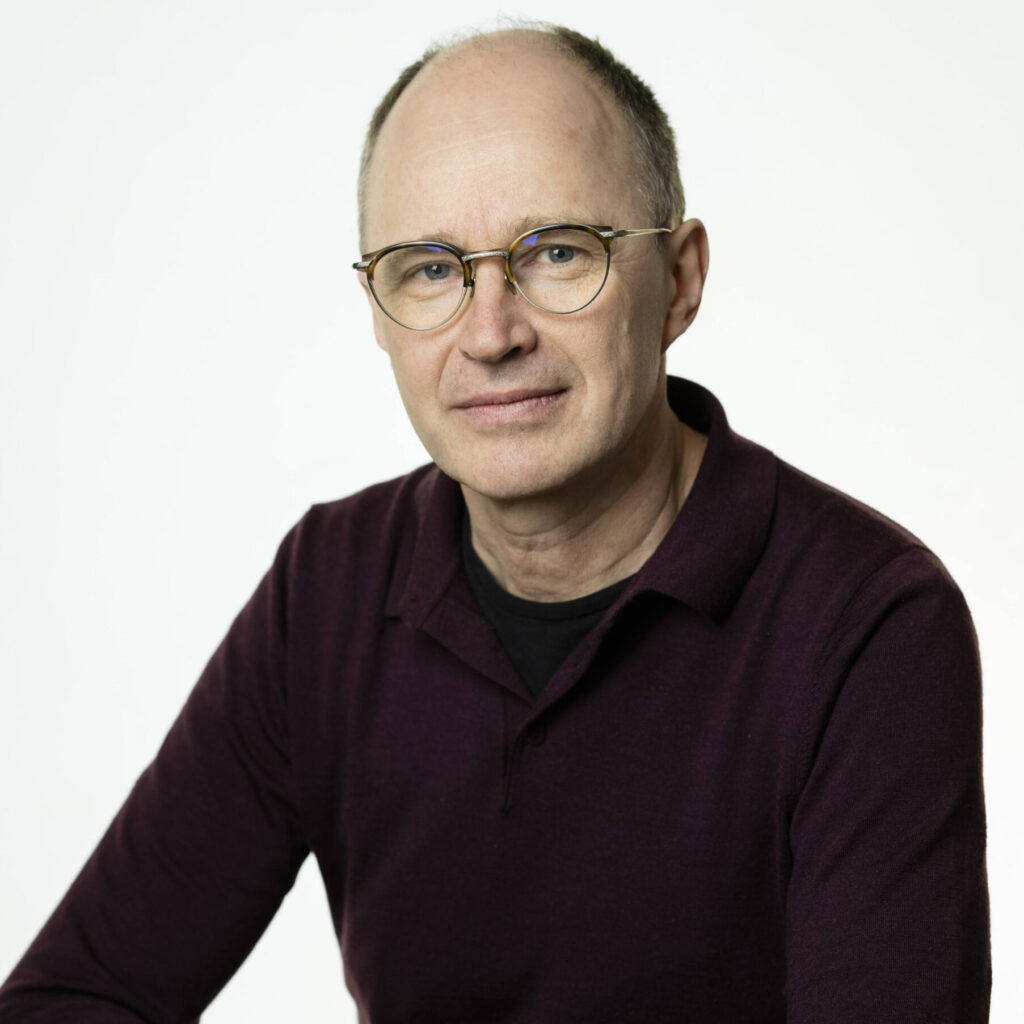
David Rice
Finland
David Rice is Head of the Department of Dentistry and Professor/Head of Orthodontics at...
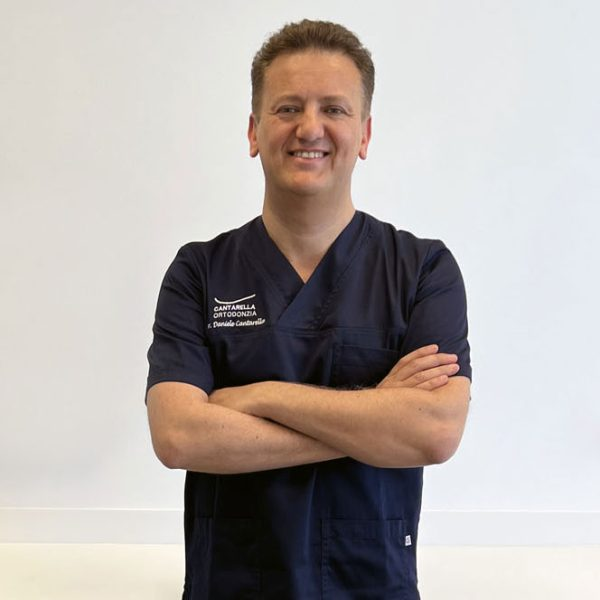
Daniele Cantarella
Italy
Dr. Daniele Cantarella is an international speaker in the field of Orthodontics. He received...
Hong He
China
- Professor, chief physician, PhD supervisor.
- Director of the Orthodontic Teaching and Research Department,...
Kevin O’Brien
UK
Kevin O’Brien Emeritus Professor of Orthodontics at the University of Manchester UK.
Kevin...
Bart Vande Vannet
Belgium
Prof. Bart Vande Vannet is Professor of Dento-Facial Orthopaedics at the Université de Lorraine,...
Liselotte Paulsson
Sweden
Associate Professor Liselotte Paulsson (Björnsson) is Chair and Director of the Postgraduate Program in...
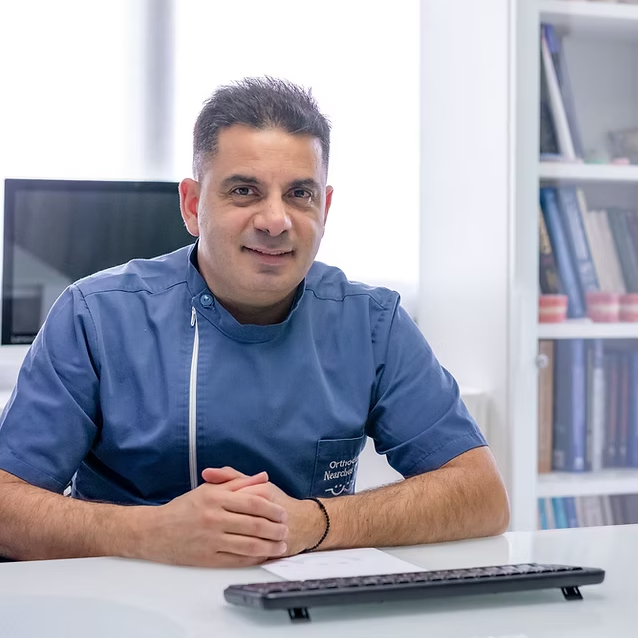
Nearchos Panayi
Cyprus
Nearchos C. Panayi, is an orthodontist based in Limassol, Cyprus. He is an assistant...
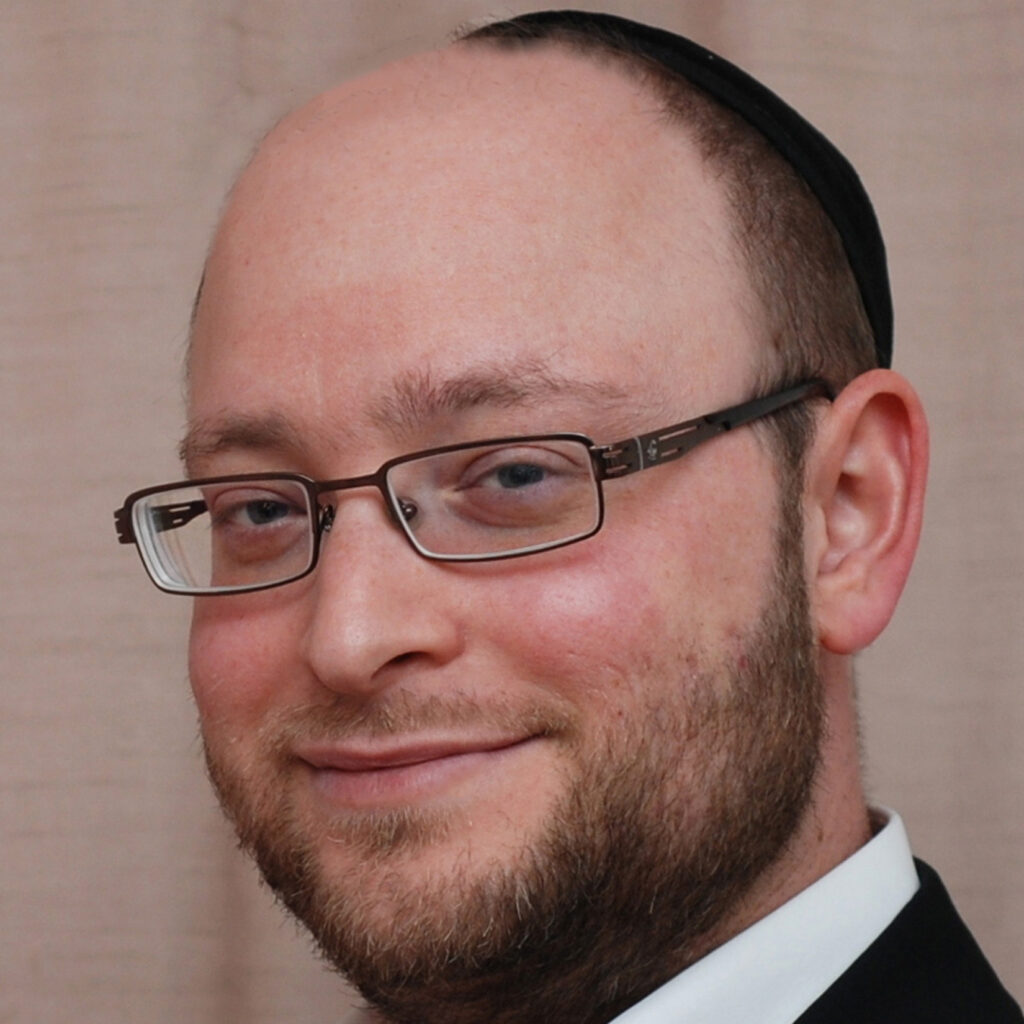
Raphael Patcas
Switzerland
Prof. Raphael Patcas is a Swiss board-certified orthodontist who has been jointly responsible for...
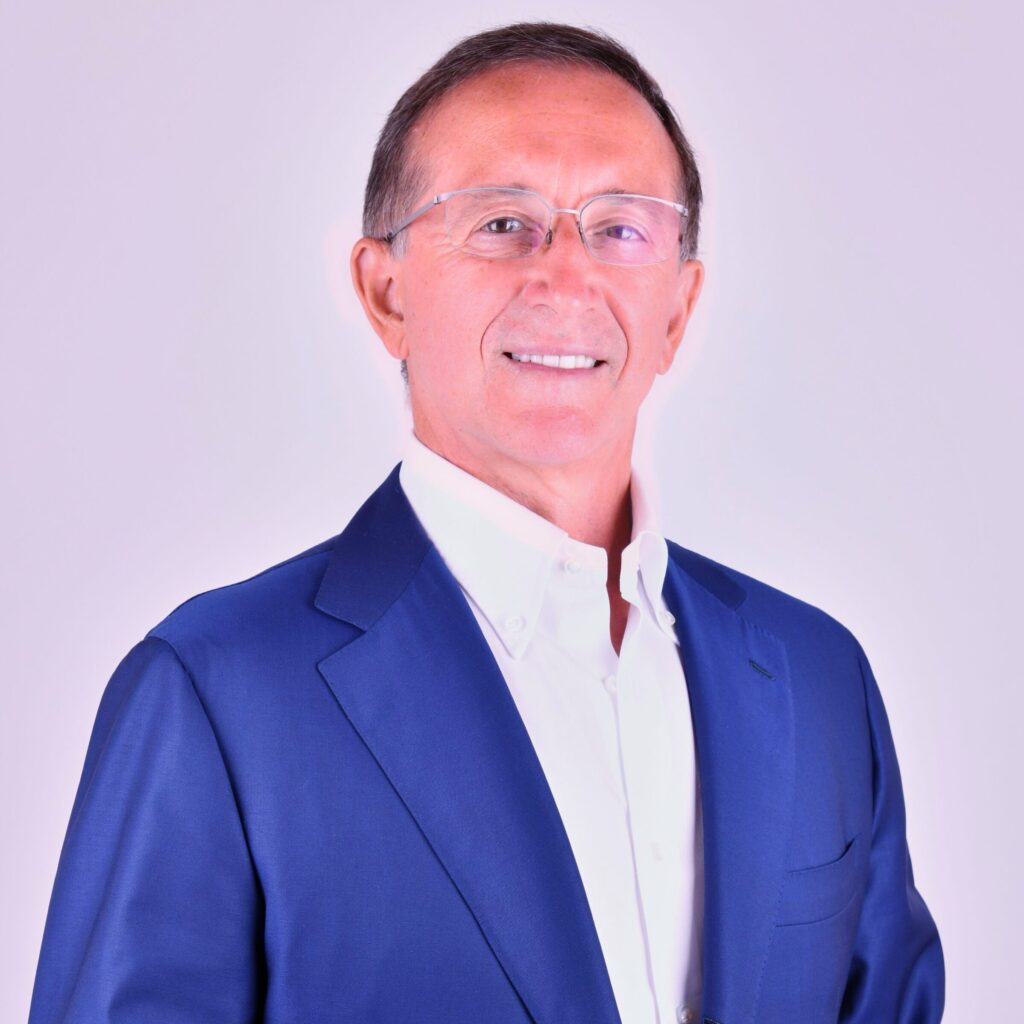
Renato Cocconi
Italy
Dr. Renato Cocconi, DDS, MS obtained his postgraduate degree in orthodontics with full marks...
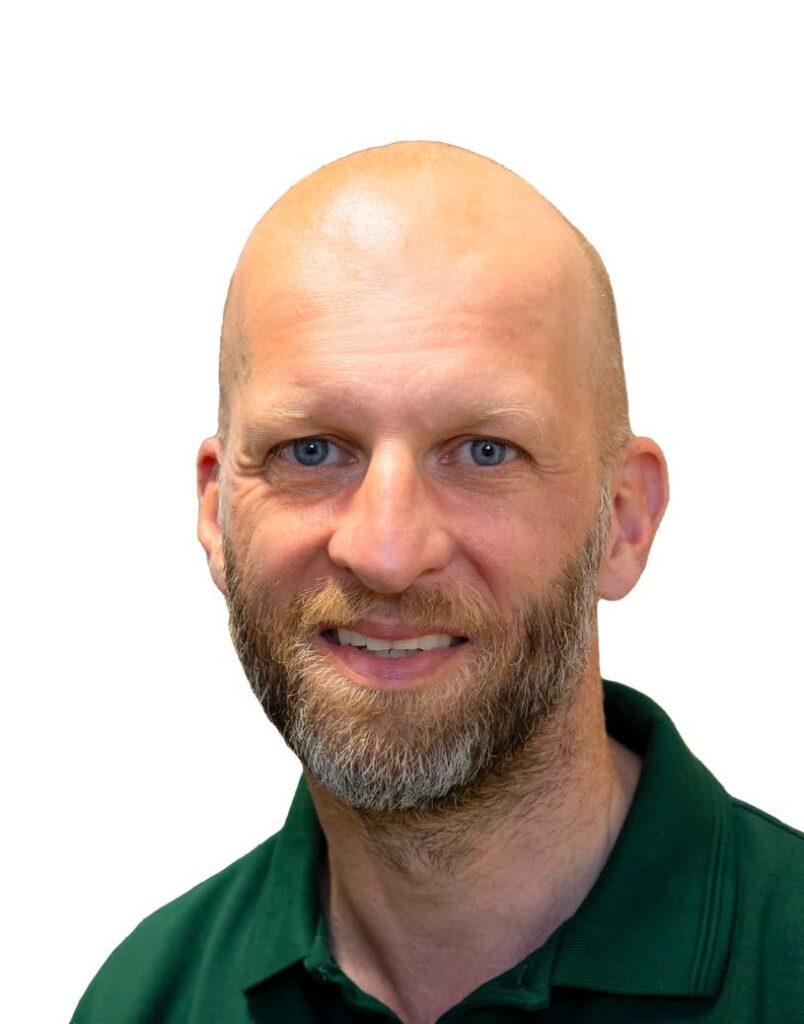
Bjorn Ludwig
Germany
Björn Ludwig is an orthodontics specialist who operates his private office in a small...