Sweden
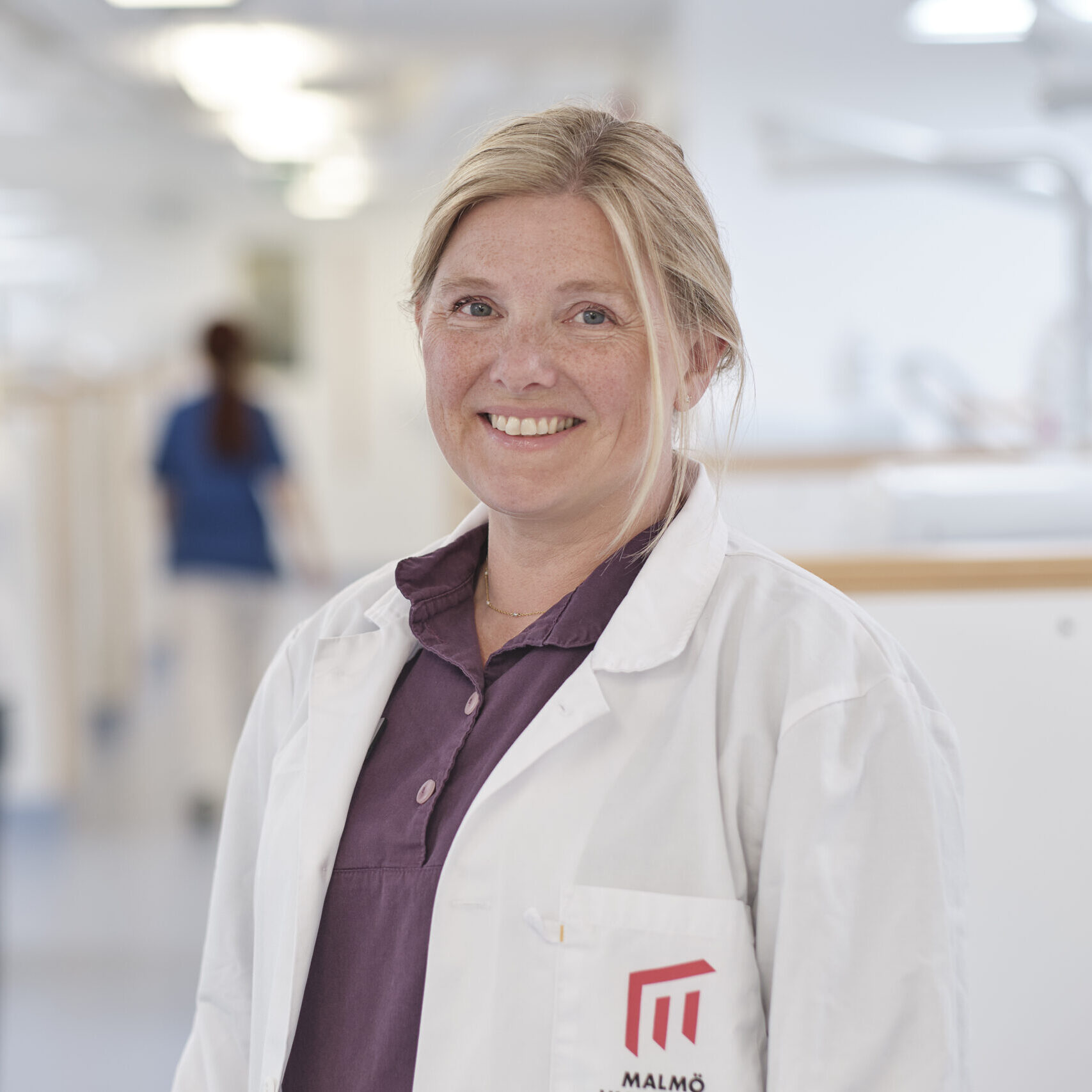
Liselotte Paulsson
Speaker Biography
Associate Professor Liselotte Paulsson (Björnsson) is Chair and Director of the Postgraduate Program in Orthodontics at the Faculty of Odontology, Malmö University, Sweden. Since 2006, she has combined research, clinical orthodontic practice, and teaching at both undergraduate and postgraduate levels at Malmö University.
Her research focuses on evidence-based orthodontics in interdisciplinary contexts. She leads CROWDIT (Crowded Displaced Teeth), a multicenter project aimed at addressing knowledge gaps in fixed appliance treatment for adolescents with crowded and displaced teeth. The project examines treatment outcomes, adverse effects (including pain, root resorption, caries, and marginal bone loss), and oral health–related quality of life from the perspectives of patients, clinicians, and society. A seven-year follow-up study is currently in progress.
She also leads long-term studies on orthodontic treatment needs and craniofacial morphology in children and adolescents born extremely preterm. In addition, she is engaged in educational research and serves as project manager for the development and implementation of Malmö University’s fully revised dental curriculum, launched in 2022.
From 2019 to 2022, she served as Vice Dean of the Faculty of Odontology, and since 2023 she has been a member of the University Board of Malmö University.
Lecture Details
Since its introduction in the late 1990s, CBCT has transformed orthodontic diagnostics, offering three-dimensional insights in cases where conventional radiographs fall short. CBCT may be indicated in complex diagnostic situations such as impacted teeth, craniofacial anomalies, orthognathic surgical planning, temporomandibular joint (TMJ) assessment, and evaluation of root and alveolar bone conditions when conventional two-dimensional imaging is insufficient. However, its higher radiation dose compared with 2D imaging underscores the importance of justification, optimization, and adherence to international radiation protection principles.
This lecture will highlight the balance between diagnostic benefit and patient safety, with a particular focus on children as a radiosensitive group. It will also address the challenges of measurement error and reliability in CBCT-based research, emphasizing the need for rigorous evaluation of inter- and intra-rater agreement.
Recent advances in AI-assisted segmentation will also be discussed, as they offer potential advantages in diagnostics, save time, and can be integrated into digital orthodontic planning. However, the accuracy of such tools is limited by the quality of the input data, and AI should be regarded as a support rather than a substitute for clinical expertise.
Finally, based on the current state of research, adverse effects such as root resorption evaluated with CBCT will be discussed in relation to their relevance for clinical orthodontic practice.
Learning Objectives
By the end of this lecture, participants will be able to:
- Understand the risk–benefit balance in selecting diagnostic imaging
- Critically appraise the reliability of CBCT versus conventional radiographs
- Identify evidence on orthodontically induced root resorption and assess its clinical impact
Presentation
CBCT in Orthodontic Planning: Who should we scan?
CBCT in Orthodontic Planning: Who should we scan?
Other Speakers
David Rice
Finland
David Rice is Head of the Department of Dentistry and Professor/Head of Orthodontics at...
Aman Ulhaq
United Kingdom
Dr Aman Ulhaq is a Consultant Orthodontist at York Hospital and has held consultant...
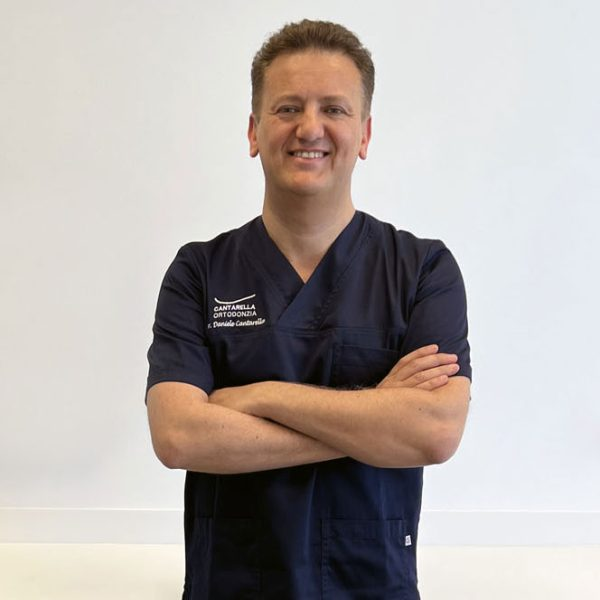
Daniele Cantarella
Italy
Dr. Daniele Cantarella is an international speaker in the field of Orthodontics. He received...
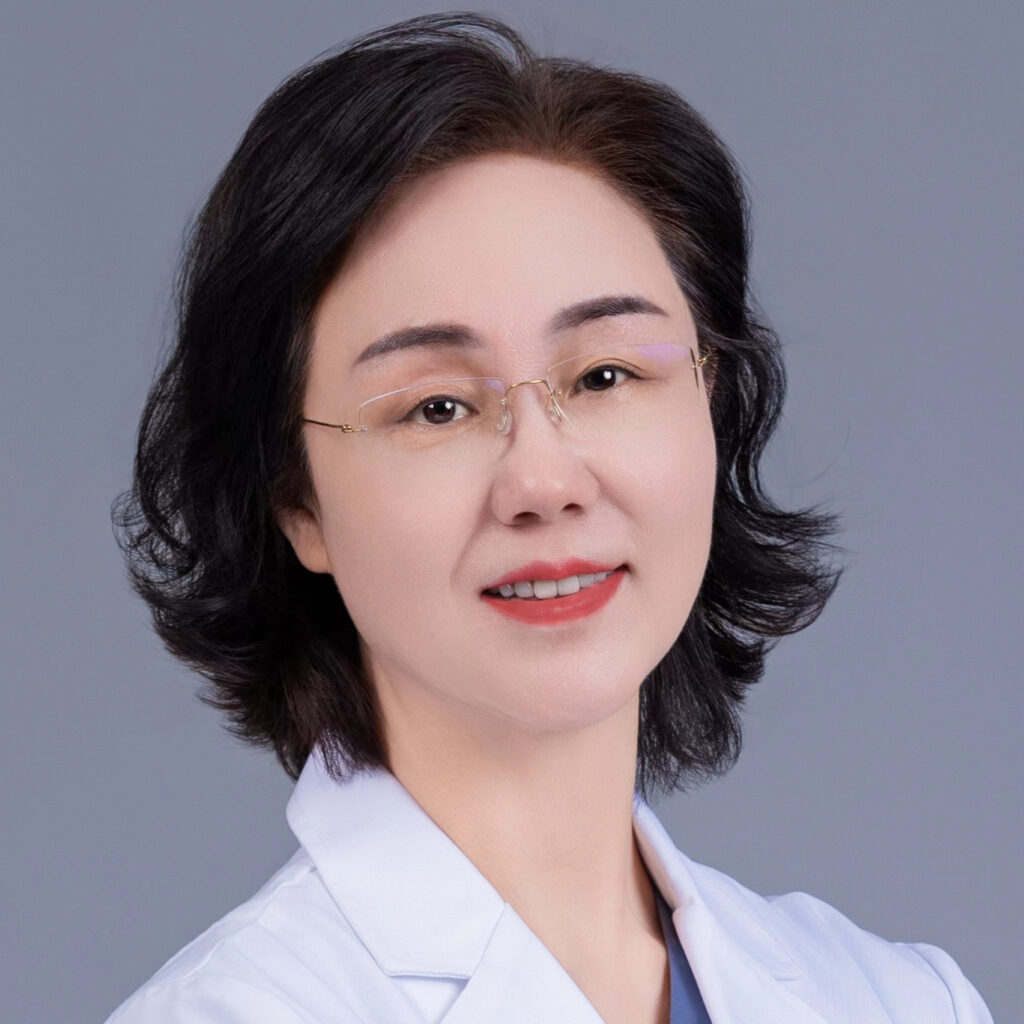
Hong He
China
- Professor, chief physician, PhD supervisor.
- Director of the Orthodontic Teaching and Research Department,...
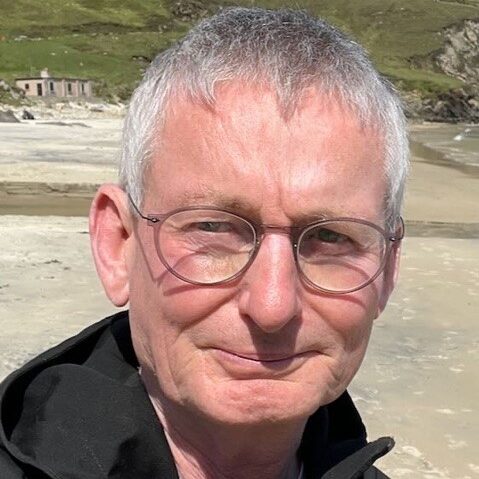
Kevin O’Brien
UK
Kevin O’Brien Emeritus Professor of Orthodontics at the University of Manchester UK.
Kevin...
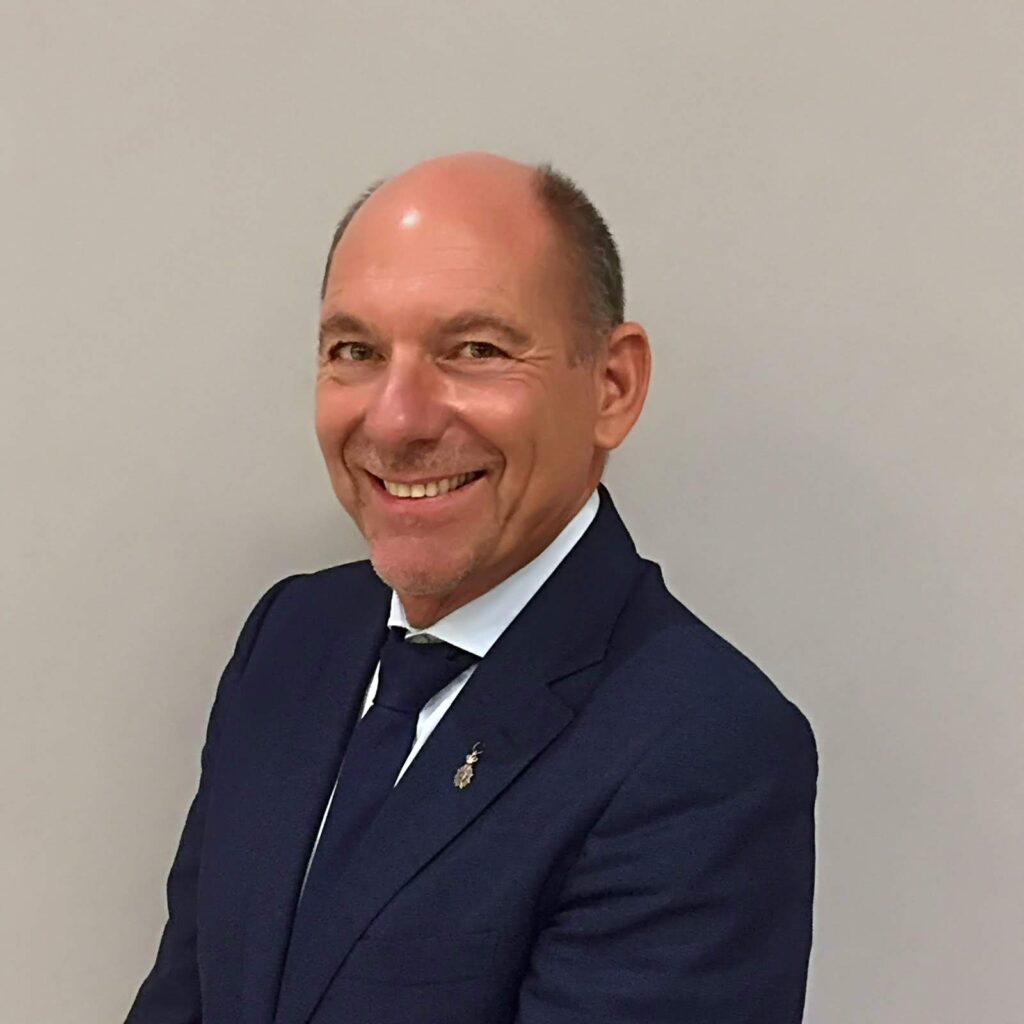
Bart Vande Vannet
Belgium
Prof. Bart Vande Vannet is Professor of Dento-Facial Orthopaedics at the Université de Lorraine,...
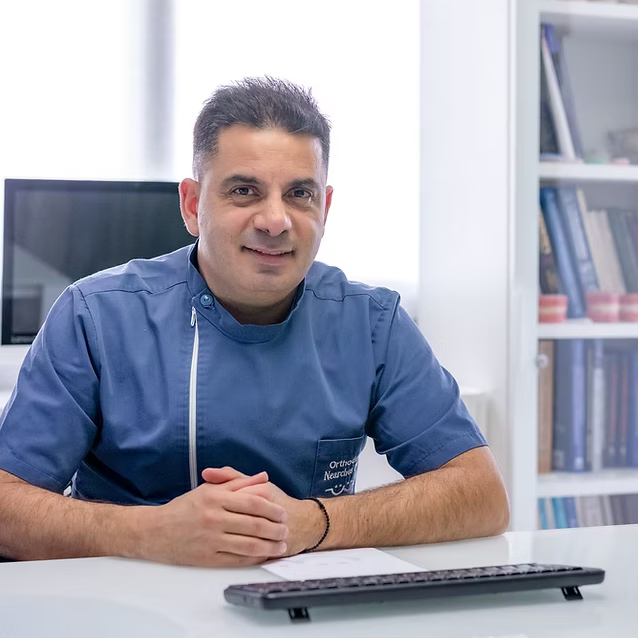
Nearchos Panayi
Cyprus
Nearchos C. Panayi, is an orthodontist based in Limassol, Cyprus. He is an assistant...
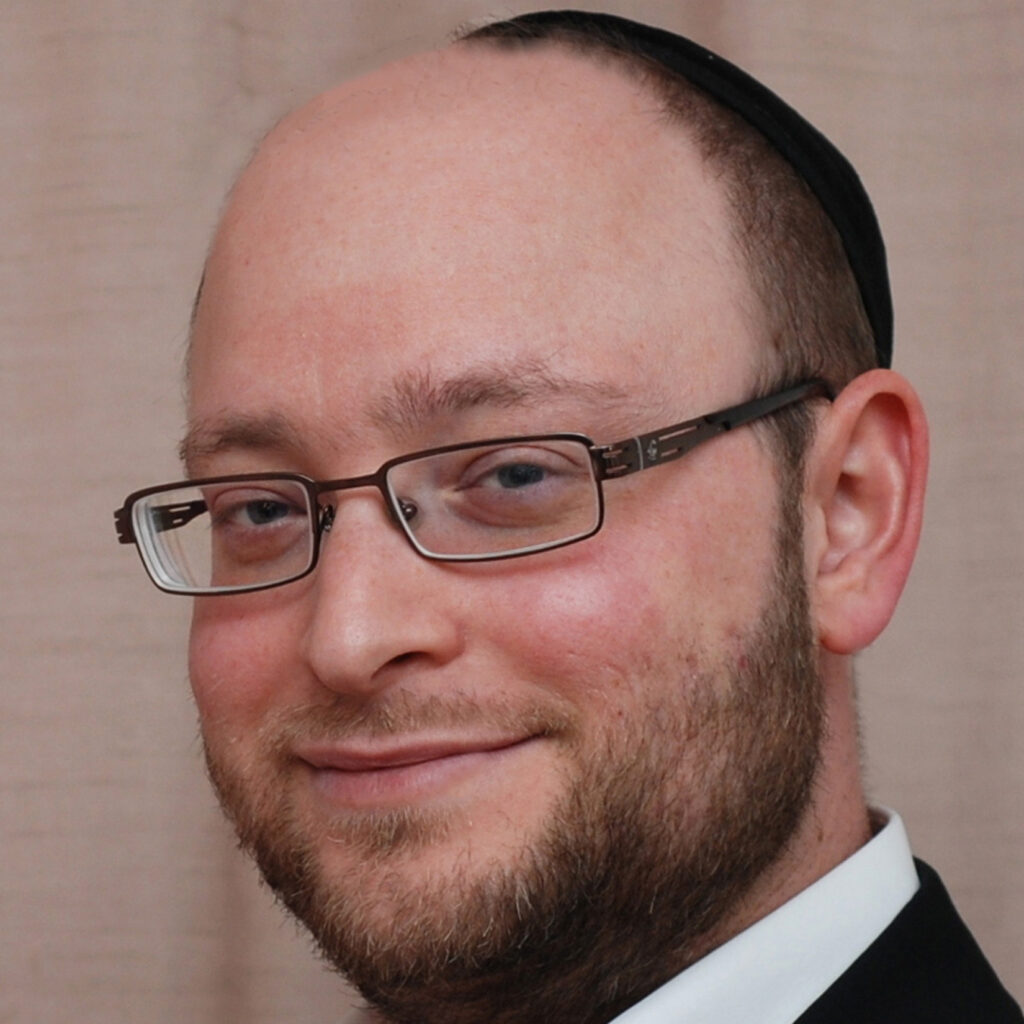
Raphael Patcas
Switzerland
Prof. Raphael Patcas is a Swiss board-certified orthodontist who has been jointly responsible for...
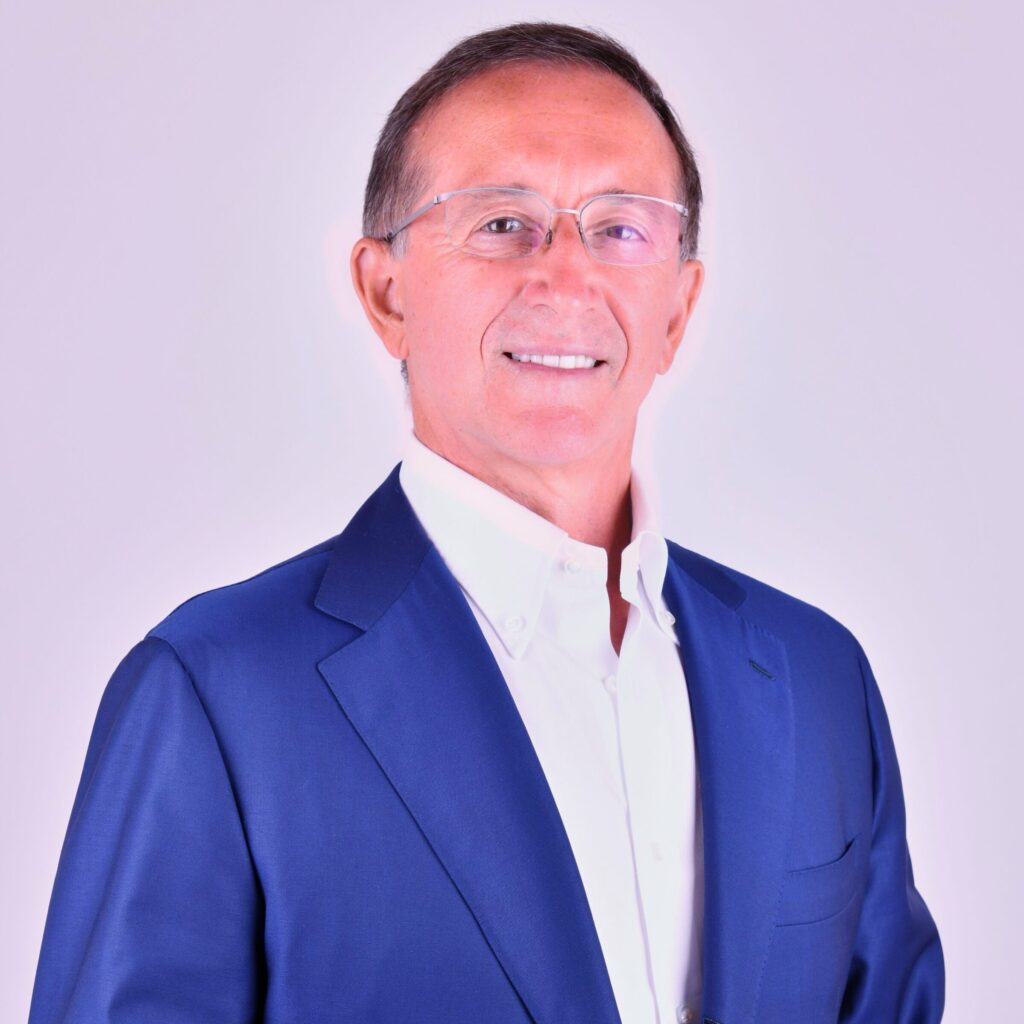
Renato Cocconi
Italy
Dr. Renato Cocconi, DDS, MS obtained his postgraduate degree in orthodontics with full marks...
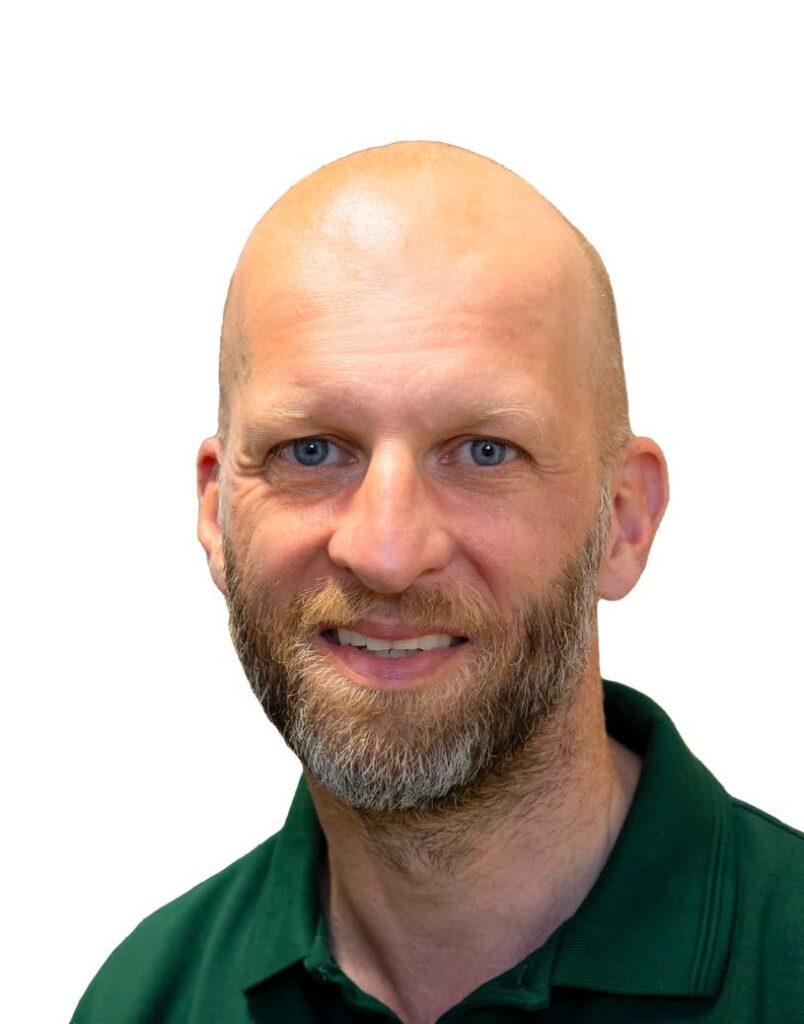
Bjorn Ludwig
Germany
Björn Ludwig is an orthodontics specialist who operates his private office in a small...