Cyprus
Nearchos Panayi
Speaker Biography
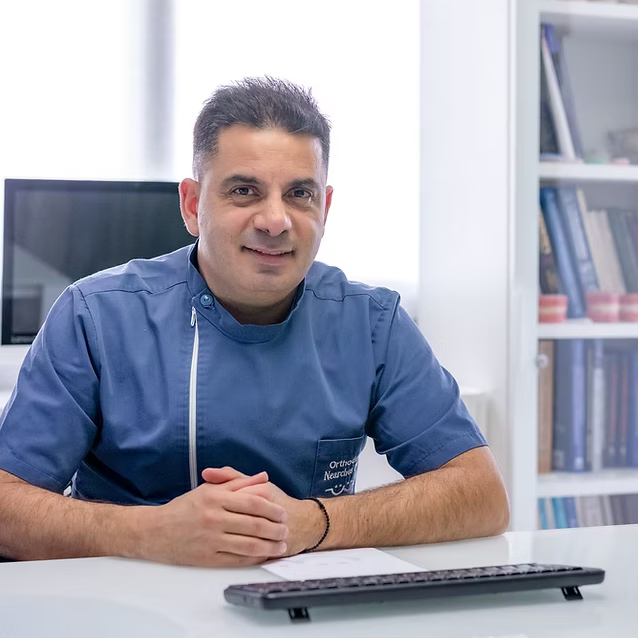
Nearchos C. Panayi, is an orthodontist based in Limassol, Cyprus. He is an assistant Professor of Orthodontics at the European University Cyprus, Dental school. He studied dentistry at Athens Dental School (1992–1997) and orthodontics at Tel Aviv University (1998–2001) before building his private practices in Limassol and Larnaca, Cyprus. His passion for digital technology encouraged him to use it in orthodontics, and as a huge fan of the in-house 3D designing and printing concept. Dr Panayi has helped develop ideas, and methods that will transform traditional orthodontics to customized-centered digital orthodontics. He is the inventor of the orthodontic CAD software Ubrackets for in-house designing of customized brackets. He is the editor of «DIY, Design It Yourself Orthodontics» book that was released by Quintessence in July 2021. He is a co-author in other orthodontics books and published articles on customized brackets, 3D printed aligners, microplastic release and material research. He is an associate editor of the “Progress in Orthodontics” journal. He is married and has six children.
Lecture Details
Digital orthodontic workflows have revolutionized clinical practice through intraoral scanning, virtual treatment planning, and additive manufacturing. While these technologies possibly enhance precision and efficiency, they also introduce new biological and material-related risks that must be critically addressed to ensure patient safety and biocompatibility from digital design to intraoral application. The aim of this presentation is to provide an overview of safety and biocompatibility issues associated with digital orthodontic workflows, including material selection, manufacturing processes, post-processing protocols, and clinical use. Particular focus will be placed on the biocompatibility of 3D-printed and thermoformed materials used for aligners, indirect bonding trays, and customized appliances, with emphasis on emerging evidence regarding residual monomer release, surface degradation, and microplastic release from clear aligners during intraoral wear. The orthodontist’s role and responsibility as a medical device user or manufacturer within digital workflows will be discussed, and practical strategies to improve risk mitigation, safety measures, and regulatory compliance will be presented to support biologically responsible digital orthodontic care.
Learning outcomes
- Identify key safety and biocompatibility risks associated with digital orthodontic workflows from digital design to intraoral application.
- Evaluate the biocompatibility of 3D-printed and thermoformed materials used in aligners, indirect bonding trays, and customized orthodontic appliances.
- Understand current evidence regarding residual monomer release, surface degradation, and microplastic release from clear aligners during intraoral wear.
- Recognize the orthodontist’s responsibilities as a medical device user or, where applicable, manufacturer within digital workflows.
- Apply practical risk-mitigation strategies and safety measures to improve regulatory compliance and biological responsibility in digital orthodontic practice.
Presentation
Ensuring Safety and Biocompatibility in the Digital Orthodontic Workflow: From STL to In-Mouth
Ensuring Safety and Biocompatibility in the Digital Orthodontic Workflow: From STL to In-Mouth
Other Speakers
David Rice
Finland
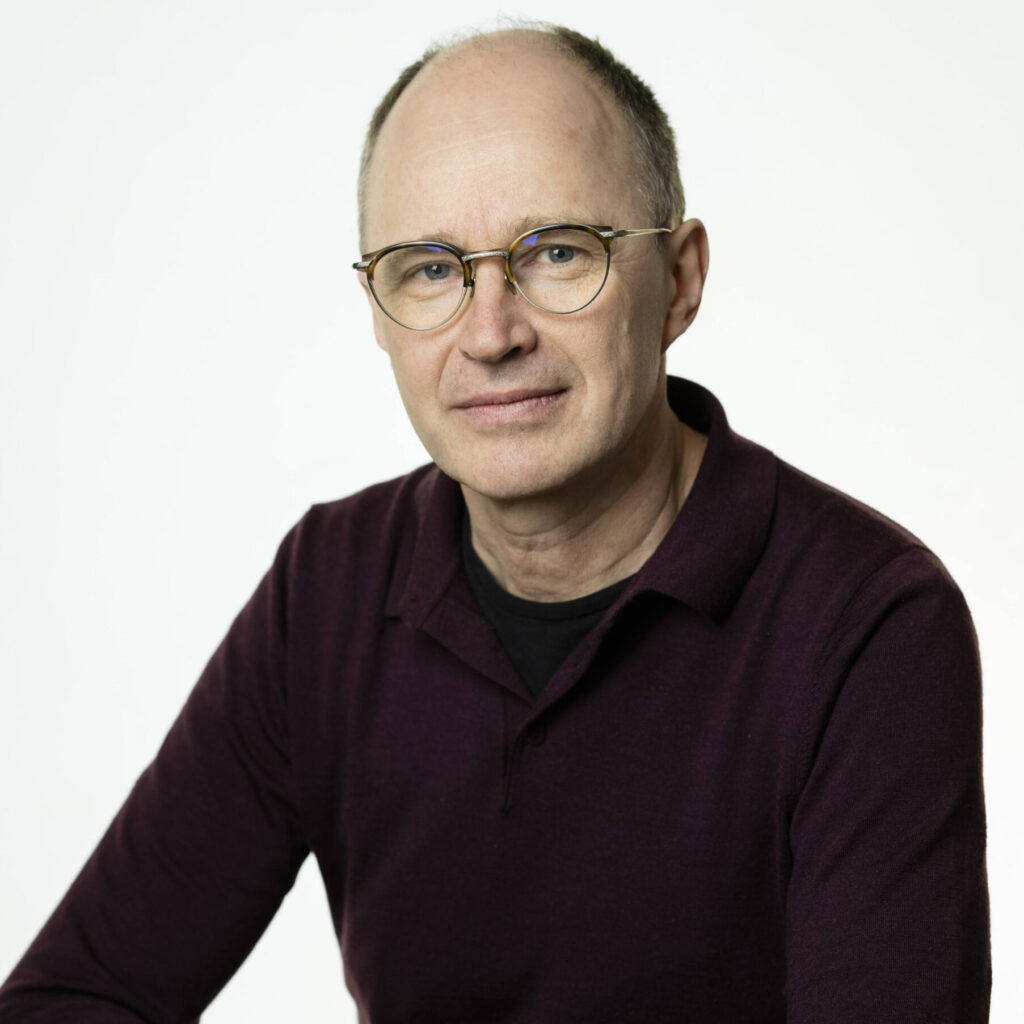
David Rice is Head of the Department of Dentistry and Professor/Head of Orthodontics at...
Aman Ulhaq
United Kingdom
Dr Aman Ulhaq is a Consultant Orthodontist at York Hospital and has held consultant...
Daniele Cantarella
Italy
Dr. Daniele Cantarella is an international speaker in the field of Orthodontics. He received...
Hong He
China
- Professor, chief physician, PhD supervisor.
- Director of the Orthodontic Teaching and Research Department,...
Kevin O’Brien
UK
Kevin O’Brien Emeritus Professor of Orthodontics at the University of Manchester UK.
Kevin...
Bart Vande Vannet
Belgium
Prof. Bart Vande Vannet is Professor of Dento-Facial Orthopaedics at the Université de Lorraine,...
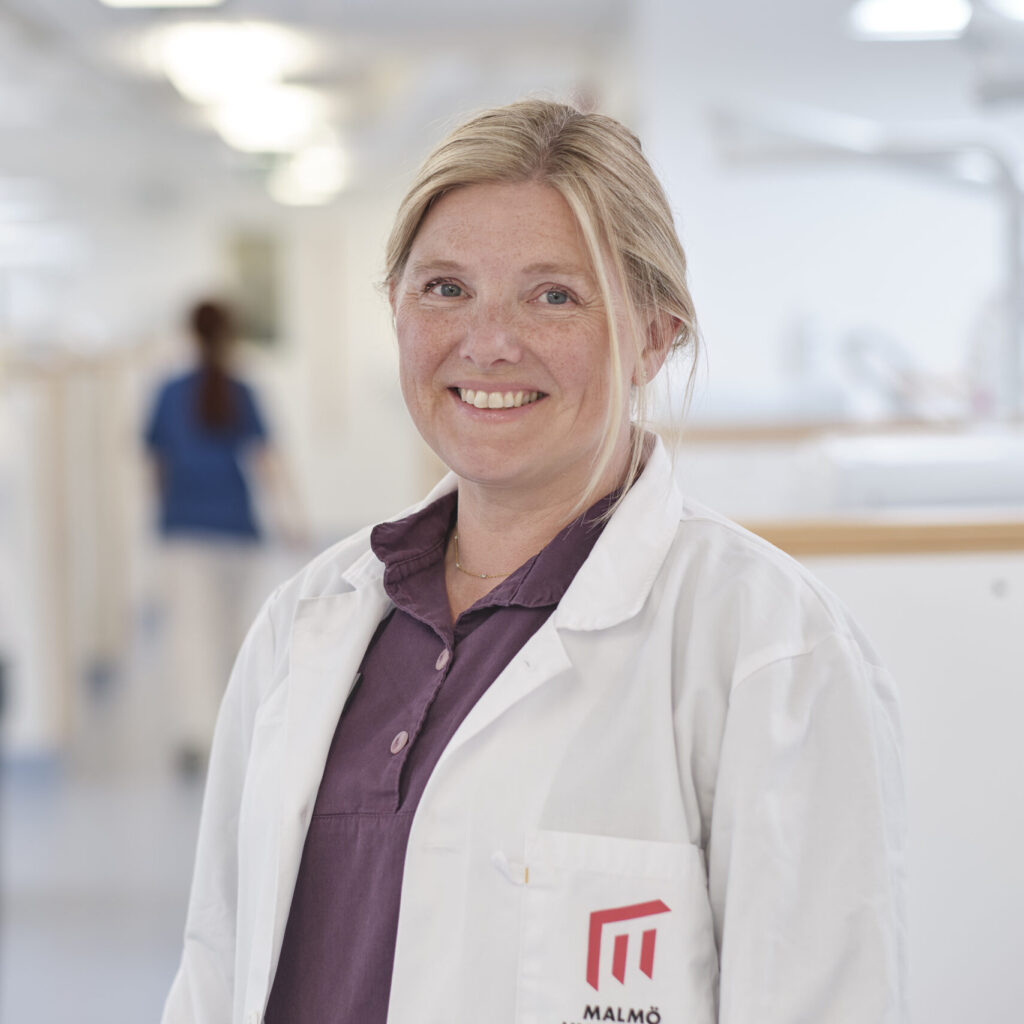
Liselotte Paulsson
Sweden
Associate Professor Liselotte Paulsson (Björnsson) is Chair and Director of the Postgraduate Program in...
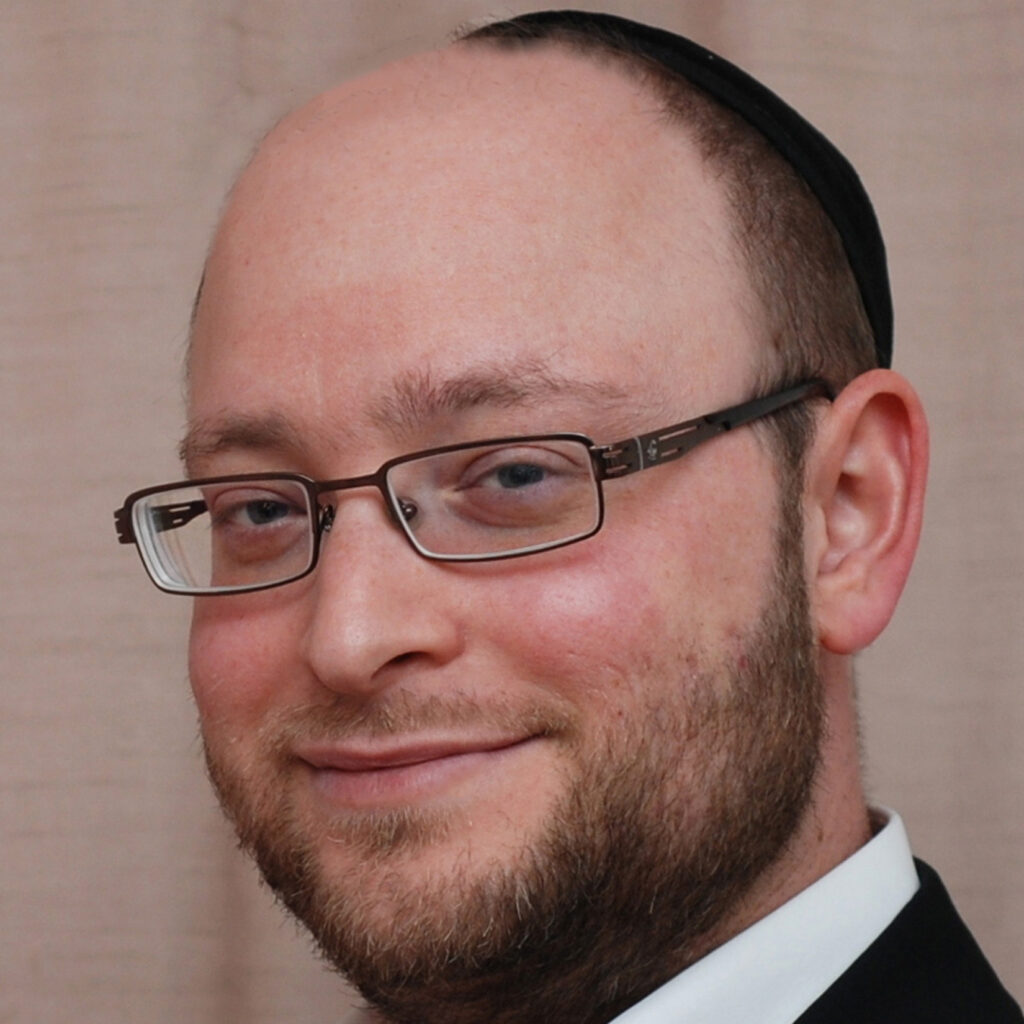
Raphael Patcas
Switzerland
Prof. Raphael Patcas is a Swiss board-certified orthodontist who has been jointly responsible for...
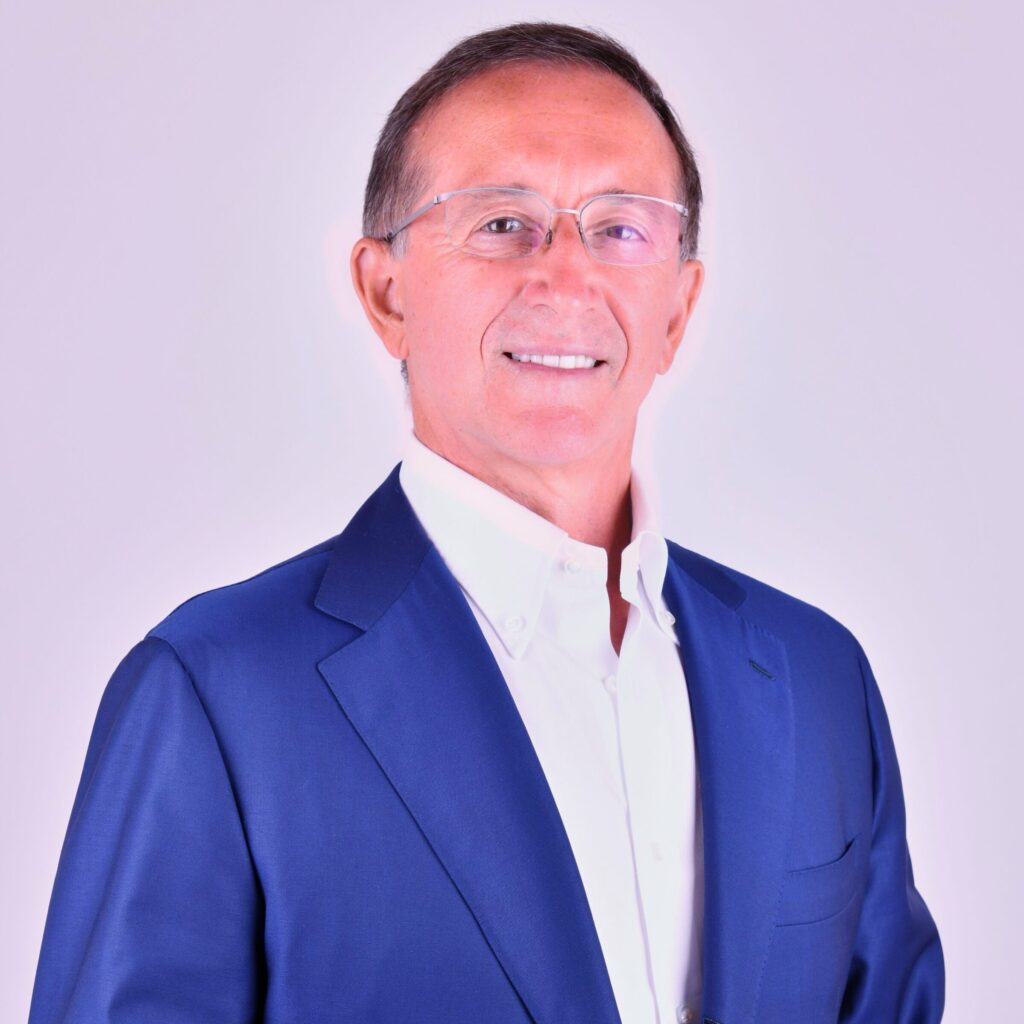
Renato Cocconi
Italy
Dr. Renato Cocconi, DDS, MS obtained his postgraduate degree in orthodontics with full marks...
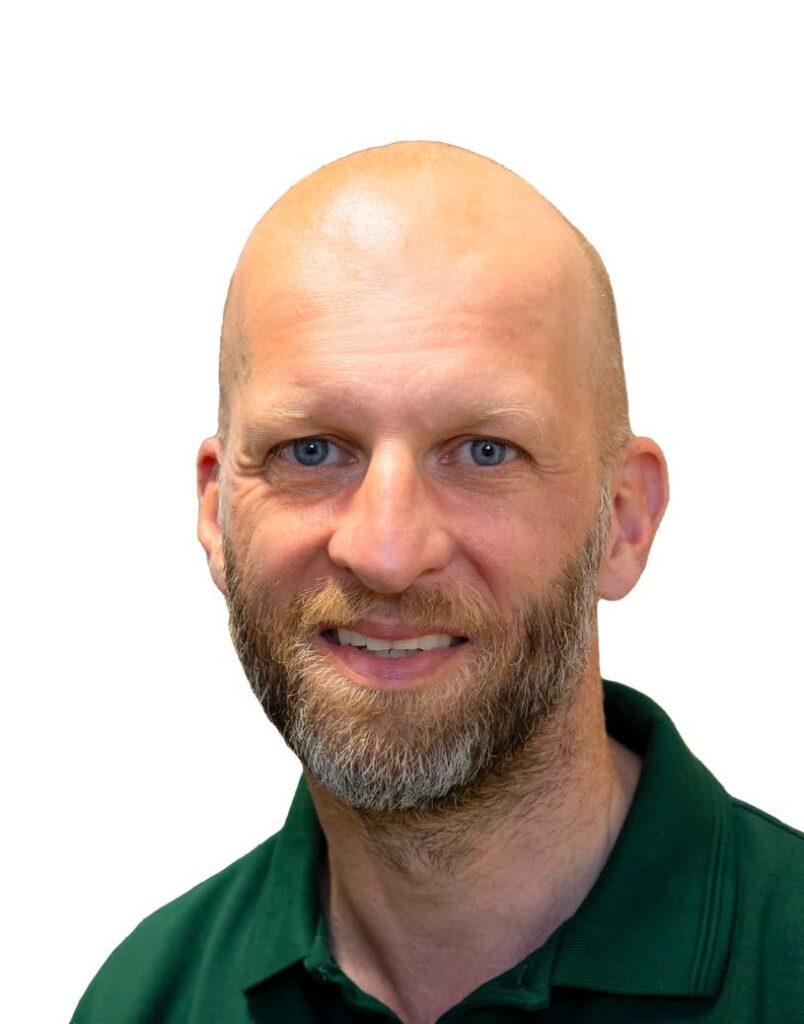
Bjorn Ludwig
Germany
Björn Ludwig is an orthodontics specialist who operates his private office in a small...